
- info@service.digitalmarketingvidyapeeth.com
support@service.digitalmarketingvidyapeeth.com - Pioneer Residential Campus for NDA, Near Khandoba Temple, Raywadi road, Loni Kalbhor, Maharashtra 412201

Blog Details
25
Jul
XML Sitemap vs Robots.txt Explained: Key Differences for Better SEO
XML Sitemap vs Robots.txt Explained: Key Differences for Better SEO
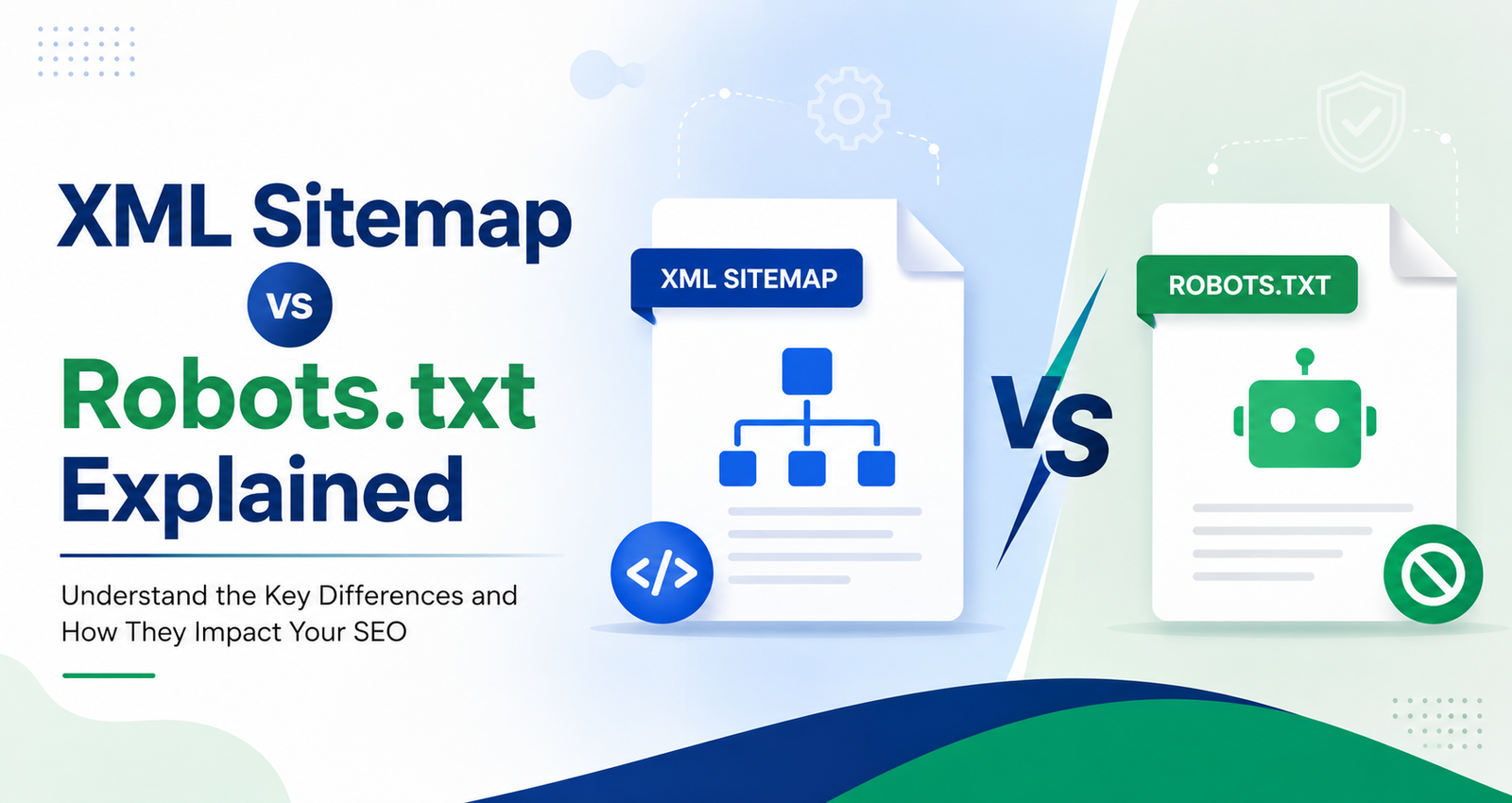
XML Sitemap vs Robots.txt Explained is one of the most important topics every website owner, SEO professional, and digital marketer should understand. Both XML Sitemap and Robots.txt help search engines crawl your website, but they serve completely different purposes. Many beginners think they perform the same task, which often leads to indexing issues and poor search visibility.
If your goal is to improve website rankings, increase organic traffic, and ensure search engines discover your important pages, knowing the difference between these two files is essential. In this guide, you'll learn what XML Sitemaps and Robots.txt files are, how they work together, and the best practices for using them effectively.
What is an XML Sitemap?
An XML Sitemap is a structured file that lists all the important pages on your website. It acts like a roadmap for search engines, helping them discover and crawl pages more efficiently.
An XML Sitemap typically includes:
- Website URLs
- Last updated date
- Update frequency
- Page priority
Search engines such as Google and Bing use XML Sitemaps to understand your website structure and find new or updated content quickly.
Benefits of XML Sitemap
- Faster indexing of new pages
- Better crawl efficiency
- Helps large websites organize content
- Supports image and video indexing
- Improves SEO performance
What is Robots.txt?
A Robots.txt file is a simple text file placed in the root directory of your website. It tells search engine bots which pages or folders they are allowed or not allowed to crawl.
For example, you may want to block:
- Admin pages
- Login pages
- Duplicate content
- Temporary files
Robots.txt helps search engines avoid unnecessary pages and focus on valuable content.
How XML Sitemap Helps SEO
A properly configured XML Sitemap provides several SEO benefits.
1. Faster Discovery
Search engines can quickly find newly published pages.
2. Better Indexing
Important pages are indexed more efficiently.
3. Large Website Support
E-commerce and blog websites with thousands of pages benefit greatly.
4. Improved Crawl Efficiency
Search engines spend more time crawling valuable pages.
How Robots.txt Helps SEO
Robots.txt improves Technical SEO by preventing crawlers from wasting resources on unimportant pages.
Examples include:
- /admin/
- /login/
- /cart/
- /checkout/
Blocking these pages helps search engines focus on pages that actually matter.
Common Mistakes to Avoid
Many website owners accidentally create SEO problems.
Blocking Important Pages
Never block important pages like:
- Homepage
- Blog pages
- Product pages
Forgetting Sitemap Submission
Creating an XML Sitemap is not enough—you should also submit it through Google Search Console.
Incorrect Robots.txt Syntax
A small mistake in Robots.txt can accidentally block your entire website.
Always test your Robots.txt before publishing.
Best Practices for XML Sitemap
- Include only important pages.
- Remove duplicate URLs.
- Keep it updated automatically.
- Submit it to Google Search Console.
- Use HTTPS URLs only.
Best Practices for Robots.txt
- Block only unnecessary pages.
- Never block CSS or JavaScript files unless required.
- Keep the file simple.
- Test before deployment.
- Review regularly after website updates.
Tools to Check XML Sitemap and Robots.txt
Several free tools can help verify your setup:
- Google Search Console
- Bing Webmaster Tools
- XML Sitemap Validator
- Robots.txt Tester
These tools identify errors before they affect your rankings.
Leave a Comment